In 2026, working at height still remains one of the most hazardous activities in the UK construction sector. Personal Protective Equipment (PPE) like safety harnesses, lanyards, connectors, and fall arrest devices are intended to safeguard workers from severe injuries or fatal falls. This is only effective when it is correctly chosen, checked, and maintained.
This guide outlines when PPE should be professionally inspected, the frequency of inspections, and who should conduct a thorough PPE inspection for height safety equipment.
Why PPE Inspection Is Essential for Work at Height
Height safety PPE is classed as safety-critical equipment. Unlike regular work clothing, it is specifically designed to stop a fall or restrict access to areas where a fall risk exists, which means that any failure can lead to disastrous outcomes.
Under the PPE at Work Regulations 1992 and the Work at Height Regulations 2005, employers are required to ensure that PPE is:
- Appropriate for the task and environment
- Properly maintained and in good working condition
- Inspected at suitable intervals
- Used solely by trained and competent individuals
Regular inspections are a crucial aspect of legal compliance and a safe working system.
When Should PPE Be Inspected?
Height safety PPE must be inspected at several key stages throughout its lifecycle.
PPE should be inspected:
- Before every use
- At regular formal inspection intervals
- After any incident or event that could affect safety
- After repair (where permitted by the manufacturer)
- After prolonged storage or exposure to adverse conditions
Each inspection type has a different purpose and must be carried out correctly.
How Often Should PPE Be Inspected?
There is no single fixed inspection interval written into UK law. Instead, inspection frequency is determined by manufacturer instructions, risk assessment and standards guidance.
-
How Often Should PPE Be Inspected Before Use?
Before using PPE, checks must be performed each time it is utilised. This responsibility lies with the user, not the employer or inspector. The check involves both visual and tactile inspections to spot any obvious defects before commencing work. Before-use checks should focus on:
- Cuts, fraying, or abrasion on the webbing
- Broken or pulled stitching
- Corrosion, cracks, or deformation in metal parts
- Missing or unreadable labels
- Evidence of heat, chemical, or UV damage
If any defects are detected, the PPE should not be used and must be reported immediately.
-
How Often Must PPE Be Formally Inspected?
A formal PPE inspection, also referred to as a thorough examination, needs to be conducted by a qualified individual at intervals determined by the manufacturer.
For most height safety PPE:
- Typical inspection intervals usually range from 6 to 12 months
- In harsh environments, shorter intervals may be necessary
- Always prioritise the manufacturer’s instructions
This guidance is in accordance with BS EN 365, which outlines the general requirements for the inspection, maintenance, and marking of fall protection PPE.
Formal inspections should be:
- Comprehensive and methodical
- Conducted by a trained and qualified PPE Inspector
- Properly documented and kept on record
-
Additional Inspections
PPE must also be checked:
- After experiencing a fall or a shock load
- If it has been dropped from a height
- If it has come into contact with chemicals, heat, sharp edges, or has faced excessive wear
- If there is any uncertainty regarding its condition
Typically, PPE that has stopped a fall is taken out of service right away. While some manufacturers permit evaluation by a qualified individual, this should never be taken for granted.
Who Is Competent to Inspect PPE?
Only a competent person should inspect height‑safety PPE because thorough and accurate inspection is critical to ensuring equipment remains safe, compliant and fit for purpose; this responsibility demands specific knowledge of relevant standards, the ability to detect mechanical or material faults and to correctly record findings in formal inspection logs. A competent PPE Inspector must:
- Have appropriate theoretical knowledge and practical training
- Understand manufacturer instructions
- Be familiar with UK regulations and standards
- Know when PPE must be withdrawn from service
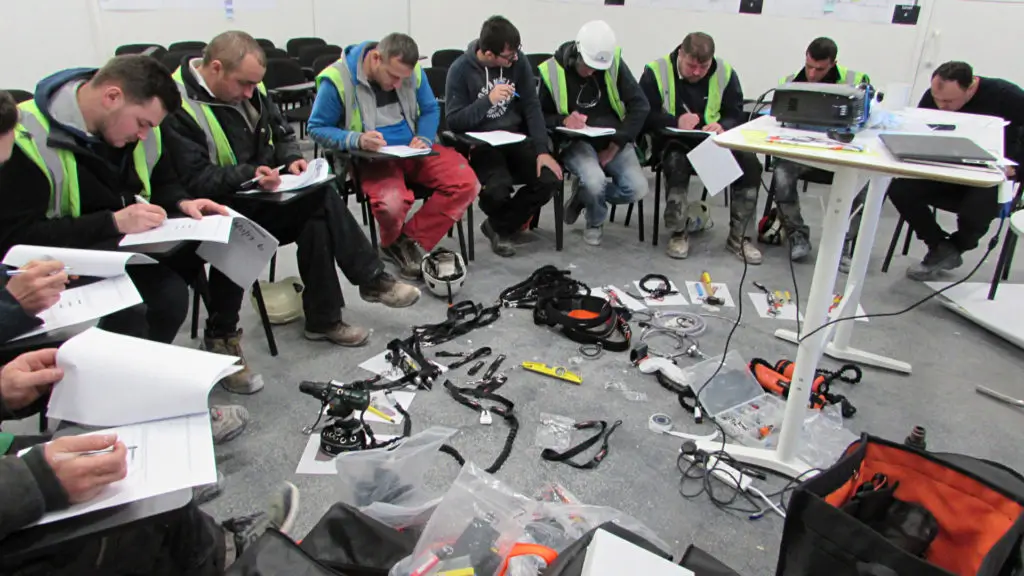
Leading Edge Safety’s PPE Inspection Competent Person Course is designed to give your chosen delegate the expertise and practical skills necessary to meet these requirements. Over approximately 4½ hours delegates learn best practice in line with British Standards such as BS EN 365:2004 and BS 8437:2005 & A1:2012, covering legal duties and inspection protocols, how to identify faults, and how to maintain accurate records. The course combines theory with hands‑on inspection of more than 50 real PPE items to ensure delegates can confidently assess equipment throughout its service life, and successful participants receive an industry‑recognised license card and certificate valid for three years.
Where Can I Get My PPE Harness and Lanyard Inspected?
Employers typically choose one of two options:
- Train an in-house PPE Inspector
- Use an external height safety specialist
Training an in-house inspector allows organisations to:
- Maintain compliance
- Reduce downtime
- Ensure inspections are carried out on schedule
- Retain full inspection records internally
Why PPE Inspector Training Matters
A recognised PPE Inspectors course provides:
- Confidence in legal compliance
- Reduced risk of equipment failure
- Improved safety for workers at height
- Clear, auditable inspection records
- Protection for employers and duty holders
For any organisation working at height, competent PPE inspection is a critical safety responsibility. Learn more about Leading Edge PPE Inspectors course.
Understanding the timing for PPE inspections, the frequency of these inspections, and the correct methods for inspecting PPE is crucial for safely and legally managing work at height. If your organisation utilises harnesses, lanyards, or fall protection gear, having a trained and qualified PPE Inspector conduct the inspections is one of the best ways to safeguard your employees and your business.
 Leading Edge is a UK based height safety training provider and PPE manufacturer. From small teams to multinational blue-chips, we empower people to work safely at height across a wide range of industries.
