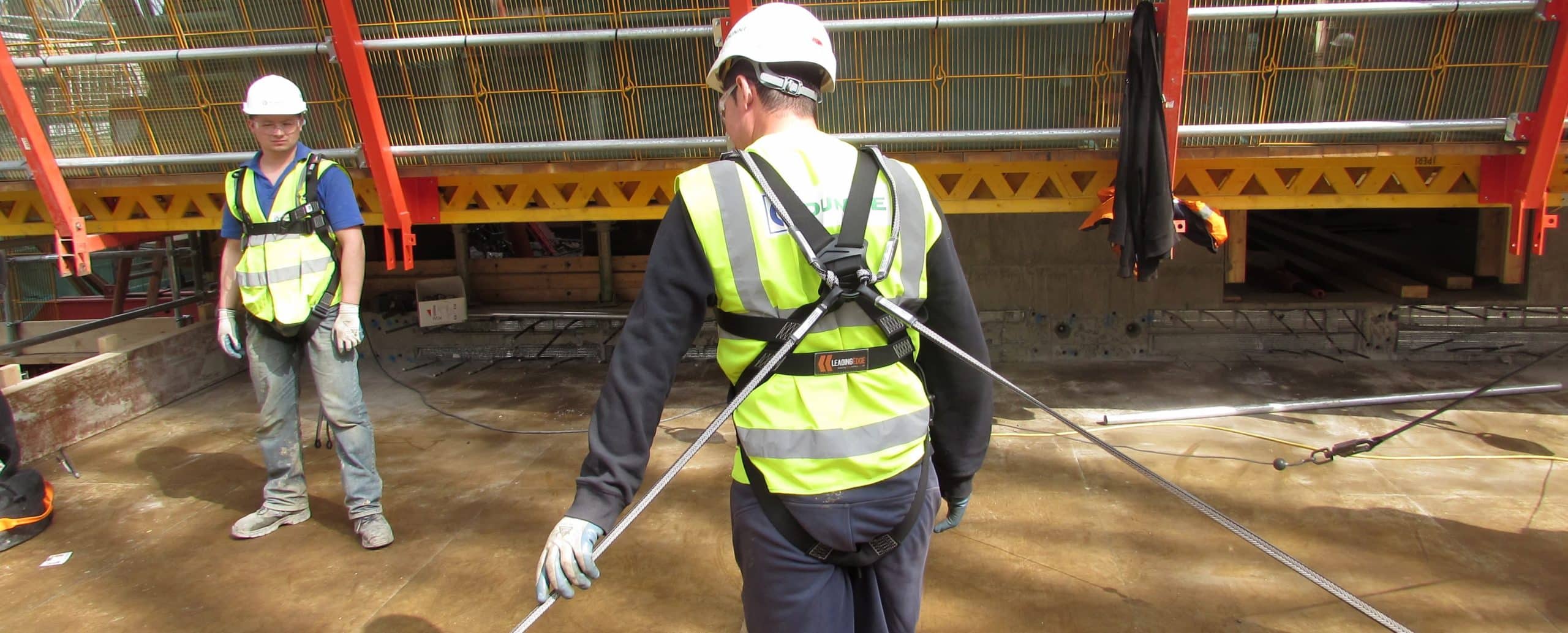
Workplace safety when it comes to working at heights is a major concern, as it’s a leading cause of severe injuries and fatalities. To ensure the safety of workers, UK regulations mandate that employers implement effective planning and provide necessary training. The use of appropriate safety equipment is also crucial.
This includes Personal Protective Equipment (PPE) and height safety tools like harnesses, lanyards, and anchor systems.
In this guide, we explain:
According to the Work at Height Regulations 2005, it’s essential for employers to implement measures that prevent falls and reduce risks, especially when working at heights is necessary.
When other safety strategies fall short, Personal Protective Equipment (PPE) steps in as a crucial line of defence.
So, what does typical PPE for working at height look like? While the specific equipment you need will depend on the nature of the task and your risk assessment, here are some common items:
1) Full-Body Safety Harnesses– These are pivotal in any fall arrest system, designed to distribute forces across the body in the event of a fall.
2) Lanyards & Shock Absorbers– These connect your harness to a secure anchor point and are equipped with energy absorbers to minimise fall impact.
3) Anchor Points– Whether fixed or temporary, these are essential for securing the fall arrest system.
4) Fall Arrest Blocks / SRLs (Self-Retracting Lifelines)– These allow for movement but quickly lock if a fall occurs.
5) Additional PPE– Depending on the risks present on site, you might also need:
It’s crucial that all PPE provided is appropriate, compatible, kept clean, well-maintained, and used correctly, following the Personal Protective Equipment at Work Regulations and established best practices.
Height safety PPE does not last forever, as some tools might. Its lifespan is influenced by how often it’s used, the environment it’s in, and the guidance provided by the manufacturer. In the UK, it’s essential to adhere to the manufacturer’s instructions as a primary rule.
Full-Body Harnesses: Typically, these are rated for up to 10 years from the date of manufacture, but this can vary based on usage and conditions. In normal environments with regular use, you can expect a service life of about 5 to 6 years.
Lanyards, Ropes & Webbing: Similar to harnesses, these can also be rated for up to 10 years, but be vigilant; they may need to be retired sooner if you notice any signs of wear or exposure to harsh conditions.
Connectors (DSLs, Karabiners): The metal parts don’t have a specific expiry date, but if they show any signs of damage or if inspections uncover any defects, they must be retired immediately. Always follow the manufacturer’s instructions.
Even if a safety product is rated for a long life, you must remove it from use right away if it has:
The lifespan isn’t solely about the passage of time; it largely depends on the condition of the equipment.
To help your equipment last longer and stay safe, here are some tips:
Poor storage practices often lead to equipment failing sooner than expected.
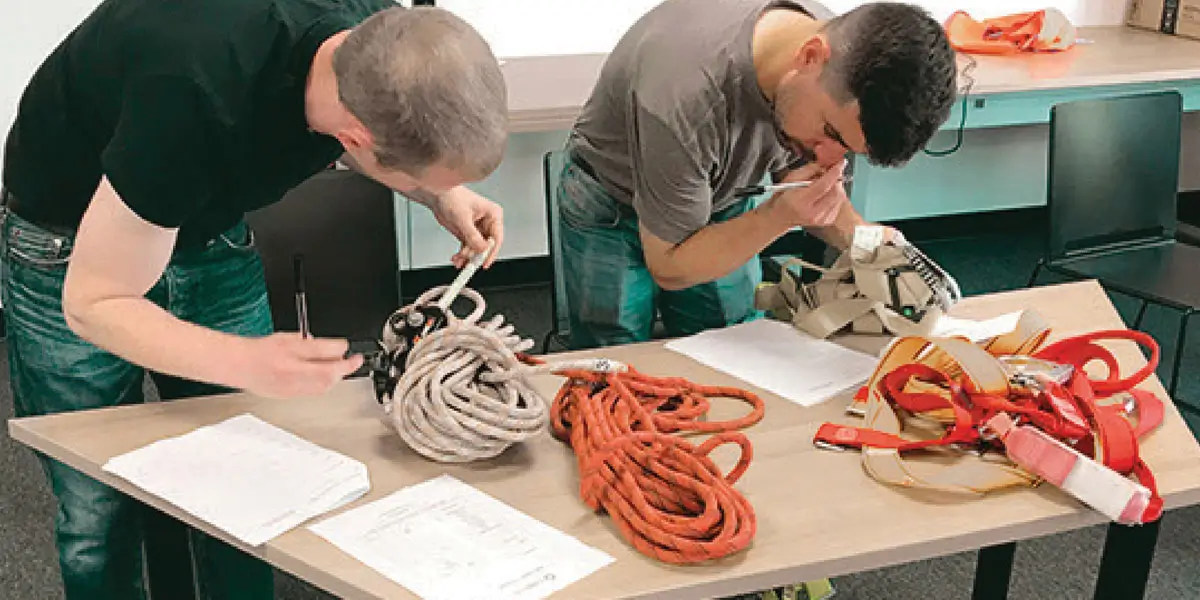
Regular inspections are required by law under the Work at Height Regulations and supporting standard BS EN 365.
Before using any equipment, take a moment to do a quick check for:
If anything is wrong, do not use the equipment.
A competent person (trained and experienced) should carry out a formal inspection on the equipment:
Some organisations and guidance recommend a 12-month detailed recorded examination by a competent person. This should cover all components, documentation and conditions.
If there’s been an incident that could compromise safety, like a fall, impact, or drop, take the equipment out of service and inspect it thoroughly before using it again.
It’s crucial to keep written records of each inspection, noting:
Get certified to carry out professional PPE inspections with Leading Edge.
UK law requires that anyone using height safety equipment be adequately trained. Training should cover:
Training should be refreshed regularly. Trust in expert training providers such as Leading Edge for all your height safety training needs.
In the UK, employers are required by law to provide personal protective equipment (PPE) suitable for working at height, and this equipment must be given to workers at no cost.
The lifespan of equipment such as harnesses and lanyards generally ranges from 5 to 10 years. However, it’s crucial to adhere to the manufacturer’s guidelines and to take equipment out of service earlier if you notice any signs of wear and tear.
Regular inspections are key: always check the equipment before each use, schedule formal inspections every six months (or even more frequently), and make sure to maintain thorough records.
 Leading Edge is a UK based height safety training provider and PPE manufacturer. From small teams to multinational blue-chips, we empower people to work safely at height across a wide range of industries.
