
Working at height training provides workers with the knowledge, practical skills, and confidence needed to work safely in environments where there is a risk of falling. Training should cover how to identify hazards, how to select and use appropriate fall protection equipment, how to inspect personal protective equipment (PPE), how to apply safe working practices, and how to respond effectively in emergency situations.
Working at a height continues to be one of the most common causes of accidents and deaths in the United Kingdom. The number of accidents caused by falls from a height is high in comparison to other types of accidents at work. Consequently, employers must make sure that everyone conducting such work at height is competent.
Although online height safety courses are an efficient tool for the introduction of legislation, hazard awareness, and safety procedures, it is necessary to note that many times they are only a part of training programs, because of the need to demonstrate the acquired knowledge in practice.
The advantages of online learning include convenience, availability and being able to do the course at the learner’s own pace.
While refresher training or even basic knowledge can be taught online, practical and on-the-job training will not be accomplished.
Through practical and instructor-led training, workers are able to:
These skills cannot be acquired through online learning and are crucial in preventing work-related accidents.
In today’s fast-paced digital world, online height safety courses have become a popular option for companies looking to train employees quickly and conveniently. While these courses offer flexibility and accessibility, they often lack the hands-on, practical experience necessary to ensure the safety of workers in high-risk situations. Employers need to understand that relying solely on online training can leave employees unprepared for the real-life challenges of working at heights.
If a business chooses a budget-friendly online height safety course, it’s essential to recognise the limitations of such training. Without practical, on-site experience, workers may not fully grasp the safety protocols or the critical skills needed to prevent accidents, which could result in serious injuries or worse in the workplace.

Working at elevated heights presents unique challenges that theoretical knowledge alone cannot address. Online height safety courses typically include videos, slides, and quizzes, which can explain safety principles but rarely allow learners to practice applying them in realistic scenarios. Hands-on training is crucial—without it, workers may not fully understand the complexities of navigating high-risk environments.
Safety training should incorporate real-world examples and situations that workers are likely to face on the job. Online courses frequently miss the context needed to prepare workers for actual challenges. In-person training allows instructors to share personal stories and lessons learned, offering insights that are hard to replicate in a virtual environment. These real-life applications are essential for recognising potential hazards and learning how to manage them effectively.
Effective height safety training depends on interaction. Group discussions, hands-on exercises, and immediate instructor feedback are all essential components often missing from online height safety courses. This interaction ensures that participants can ask questions, clarify uncertainties, and actively engage with the material.
Working at heights can be intimidating, and the psychological aspects of high-risk situations are often neglected in online training. Face-to-face training creates a supportive atmosphere where workers can voice their fears and concerns, receive encouragement, and learn coping strategies from seasoned instructors and peers. This emotional preparation is vital for building the confidence needed to perform safely in high-pressure situations.
The priority of many online courses is to help learners pass exams to obtain a certificate. Although having a certification is valuable, it shouldn’t be the only indicator of someone’s competence. Genuine safety training extends beyond just passing a test; it focuses on developing the skills and knowledge needed to make sound decisions in high-risk situations.
According to the Work at Height Regulation 2005, “Every employer shall ensure that no person engages in any activity, including organisation, planning and supervision, in relation to work at height or work equipment for use in such work unless competent to do so or, if being trained, is being supervised by a competent person.” Practical training in the workplace highlights the significance of competence over just holding a certificate, equipping employees for the actual demands of their jobs.
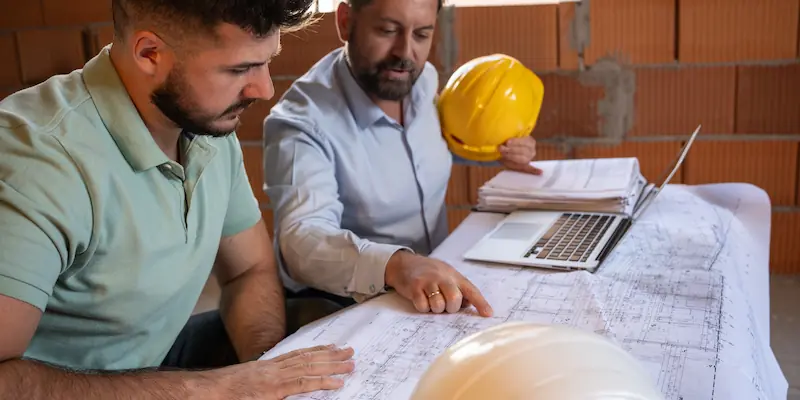
Any employee whose job requires him/her to work at heights must receive proper training based on the risk involved. Although the training depends on the job being done and the environment, practical training is especially essential for workers who rely on fall protection devices.
Some industries that typically benefit from practical height safety training include:
Customised training for the specific work environment ensures employees can apply the skills in practice.
Both online and practical training have an important role to play. Rather than viewing them as competing options, many employers achieve the best outcomes by combining both methods.
| Online Training | Practical Training |
|---|---|
| Covers legislation and theory | Demonstrates practical competence |
| Flexible and self-paced | Hands-on experience using equipment |
| Cost-effective for large teams | Immediate instructor feedback |
| Knowledge-based assessments | Practical skills assessments |
| Suitable for awareness and refreshers | Ideal for developing workplace competence |
By combining theoretical learning with practical assessment, employers can help ensure workers understand both the principles and the application of safe working at height.
Leading-edge height safety training includes practical exercises and on-site practices, all in a safe and secure environment. This hands-on approach allows workers to practice using safety equipment, navigating height-related challenges, and responding to emergencies in a controlled ground-level environment
On-site training can be tailored to the specific needs and trade of choice. Instructors can assess the unique hazards present in a worker’s environment and adjust the training accordingly, ensuring that participants learn to navigate the specific challenges they will face on the job. This personalised approach significantly enhances the relevance and effectiveness of the training.
Working at heights often requires effective communication and teamwork. On-site training fosters collaboration and helps workers learn to rely on one another for safety. Participants can practice coordinating their efforts, discussing safety protocols, and developing a shared understanding of the risks involved. These skills are crucial for maintaining a safe work environment.
Trainers can observe learners in real time, provide corrections, and reinforce safe practices immediately, something that online height safety courses rarely offer.
View in-person height safety courses
While online height safety courses provide convenience and theoretical knowledge, they cannot replace the value of hands-on, practical experience. Real-life application, teamwork, and immediate feedback are critical to ensuring workers are not just certified but truly prepared to work safely at heights. When it comes to height safety, practical experience is indispensable, because in this field, lives literally depend on it.
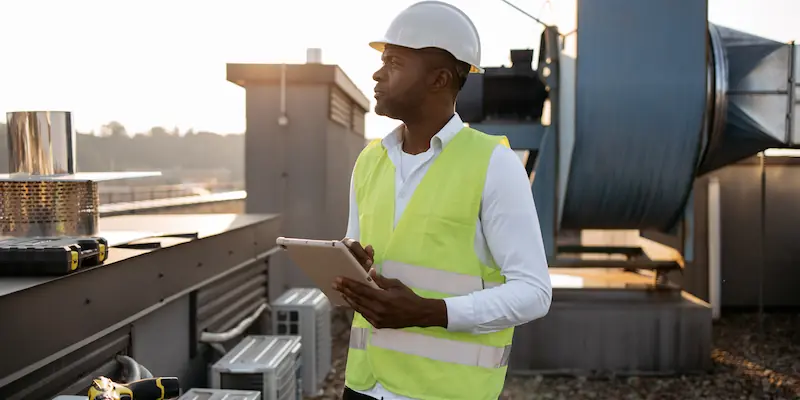
An experienced trainer provides valuable industry insights that go beyond the course material, helping workers apply safe working practices effectively in real-life situations.
Practical training sessions also give participants the opportunity to ask questions, receive personalised guidance, and build confidence when using equipment and working at height.
The ultimate goal of working at height training is not simply to obtain a certificate but to ensure that every worker returns home safely at the end of each working day. By combining online learning with practical, hands-on training, employers can develop a competent, confident, and safety-conscious workforce.
Choosing a reputable training provider is just as important as selecting the right course, as the quality of training plays a vital role in preparing workers to operate safely in real-world environments. For more information on our Leading Edge height safety courses, contact a member of our dedicated team today.
 Leading Edge is a UK based height safety training provider and PPE manufacturer. From small teams to multinational blue-chips, we empower people to work safely at height across a wide range of industries.
