
Falls from height continue to be the main reason behind fatal injuries in UK workplaces. According to the UK’s Health and Safety Executive (HSE):
This shows why there is a need for planning, appropriate equipment, and proper training to carry out work at height. At Leading Edge, we’re dedicated to protecting those who work at height. Through our industry-leading training and height safety equipment, we help create safer environments for height workers and minimise the risks that come with elevation.
Working at height (WAH) refers to any task where a person could fall and injure themselves, whether that’s from a ladder, scaffold, roof edge, or elevated platform. It includes working on structures in confined spaces or over fragile surfaces. Common examples include:
You don’t need to be several storeys up for it to be considered dangerous – if a fall from any height could cause harm, it’s considered a height hazard. It is therefore essential that measures are in place to protect the worker against falls from height, whether they are working from constructed platforms, scaffolds, scaffold towers, mobile platforms (MEWPS) or an exposed leading edge.
Work is not to be carried out at height if this risk can be avoided; if this cannot be achieved for any reason, then suitable and sufficient measures must be in place to mitigate the distance and consequences of a fall. When selecting work equipment, the hierarchy of control should be considered.
1) Avoid working at height.
2) Prevent a fall from occurring using collective measures, power access or restraint.
3) Mitigate distance and consequences of a fall using nets, airbags or fall arrest equipment.
In all cases, collective measures shall have priority over personal measures (guard rails over harnesses). In relation to prevention and mitigation, additional instruction, supervision and training should be in place to minimise the likelihood of a fall occurring. Training should be given by a competent person. All Leading Edge trainers are experts in height safety.
Employers must complete an adequate and appropriate risk assessment before work at height takes place. This assessment must highlight hazards and who they could potentially harm and provide control measures to either remove or decrease the risk of falling.
An adequate work at height risk assessment must include the following:
Risk assessments must be reviewed when site conditions and tasks have changed to ensure the control measures are still appropriate and effective.
The Working at Height regulation 2005 states that work at height must be planned and executed under supervision by a competent workforce. The employer guarantees that the work is executed in safe conditions, that suitable equipment is provided, and that health and safety are not jeopardised when considering weather conditions.
Good planning must also include communication between the workers, the checking of all equipment before use, and taking into account the specific dangers of the work site, as well as the planning of rescue operations in case of an emergency. Good planning enables organisations to meet their legal requirements and considerably diminishes the likelihood of worksite incidents.
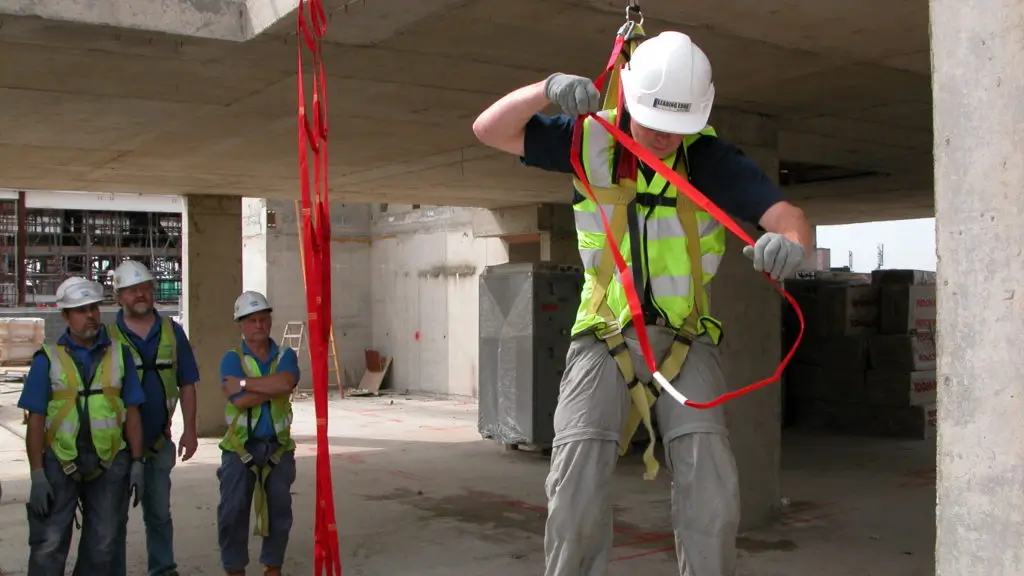
Competence requires more than just a certificate. A competent individual must be knowledgeable, have practical experience, and have the ability to work within the boundaries of their capabilities and conduct work safely.
The Work at Height Regulation 2005 requires employers to make sure that workers who organise, supervise, or carry out work at height are competent or are being trained under the supervision of a competent person.
Work at height training is vital to many professions such as construction, roofing, scaffolding, trades, maintenance, telecommunications, warehousing, and utilities, as well as many professions in facilities and services management. It is also critical for managers and supervisors, given their responsibility to plan work activities safely and select and implement the appropriate control measures and safety equipment.
Competence is gained through training and must be maintained through the appropriate training. Providers of training for this work should have the appropriate experience and recognised expertise in the industry. This training should be refreshed as frequently as necessary to maintain competence.
The risks of working at height are significant. Height hazards come in many forms, including the following:
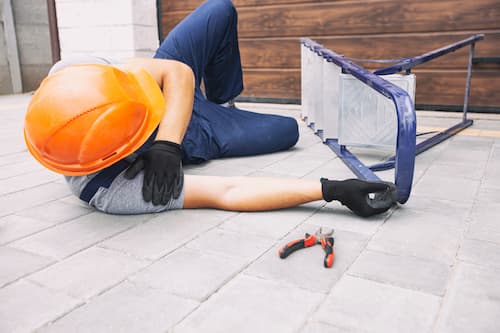
Each workplace has its unique set of challenges, yet when studied, most height-related incidents share the same primary cause. The most common cause of a fall is when a height-related risk is not successfully identified, much less controlled.
The most frequently cited causes of falls include:
In most cases, the risk of falling can be minimised through adequate planning, the establishment of a regular inspection schedule, and by providing adequate work-at-height training.
Managing height work starts with understanding the risks and taking proactive steps to control them.
At Leading Edge, we don’t believe in shortcuts when it comes to safety. Whether you need expert advice, bespoke training, or industry-compliant equipment, we’re here to help your team work smarter, safer, and more confidently at height.
We offer certified Working at Height Levels 1 & 2 courses, designed to equip workers and managers with the skills to operate safely, select the right equipment, and respond to emergencies. We also offer a range of different height safety courses designed to expand skillsets and make workers more competent to work safely at height.
From tool bags and connectors to tool tethering and anchor systems, we supply equipment engineered for performance and compliance in real working conditions. Our range of specialist height safety equipment has been designed and developed by work at height professionals.
It’s not just about having the right safety equipment; it’s about knowing how to use it. We work closely with site managers and operatives to develop a competent, confident workforce. Book your toolbox talk or PPE inspector’s training with our experts today.
Working at height doesn’t need to be dangerous, but it does demand respect, preparation, and knowledge. Creating safe systems of work means more than meeting minimum standards. It’s about embedding safety into the culture of every project, from pre-planning to completion. Protect your people. Eliminate risks. Lead the way in height safety.
👉 Explore our training courses
👉 View our height safety equipment
 Leading Edge is a UK based height safety training provider and PPE manufacturer. From small teams to multinational blue-chips, we empower people to work safely at height across a wide range of industries.
