
Working at height is one of the most dangerous types of work in construction and maintenance jobs. Falls from ladders, roofs, or scaffolding can cause serious injuries or even death. That’s why in the UK, the law says you must carry out a work at height risk assessment before starting any job where someone could fall and get hurt.
This guide thoroughly explains everything, including:
A risk assessment is just a careful way of thinking about:
Then you take action to stop accidents before they happen.
A risk assessment helps you answer:
“What could go wrong, and how do we stop it?”
“What is a hazard, and what is a risk?”
These two words are often confused:
A hazard is anything that could cause harm.
Examples:
A risk is how likely the harm is to happen and how bad it could be.
Example:

Yes. In the UK, under the Work at Height Regulations 2005, a risk assessment is required for any work where a person could fall and be injured.
There is no minimum height rule.
Even for:
These can all be dangerous if someone falls badly.
Risk assessments help to:
Most falls can be avoided with proper planning.
Employers have a duty of care to protect workers by law in the UK.
This includes workers, visitors, and the public. Identifying hazards helps prevent injuries and downtime.
Falling tools or materials can cause injury, damage property, or cause harm to people working below or on ground level.
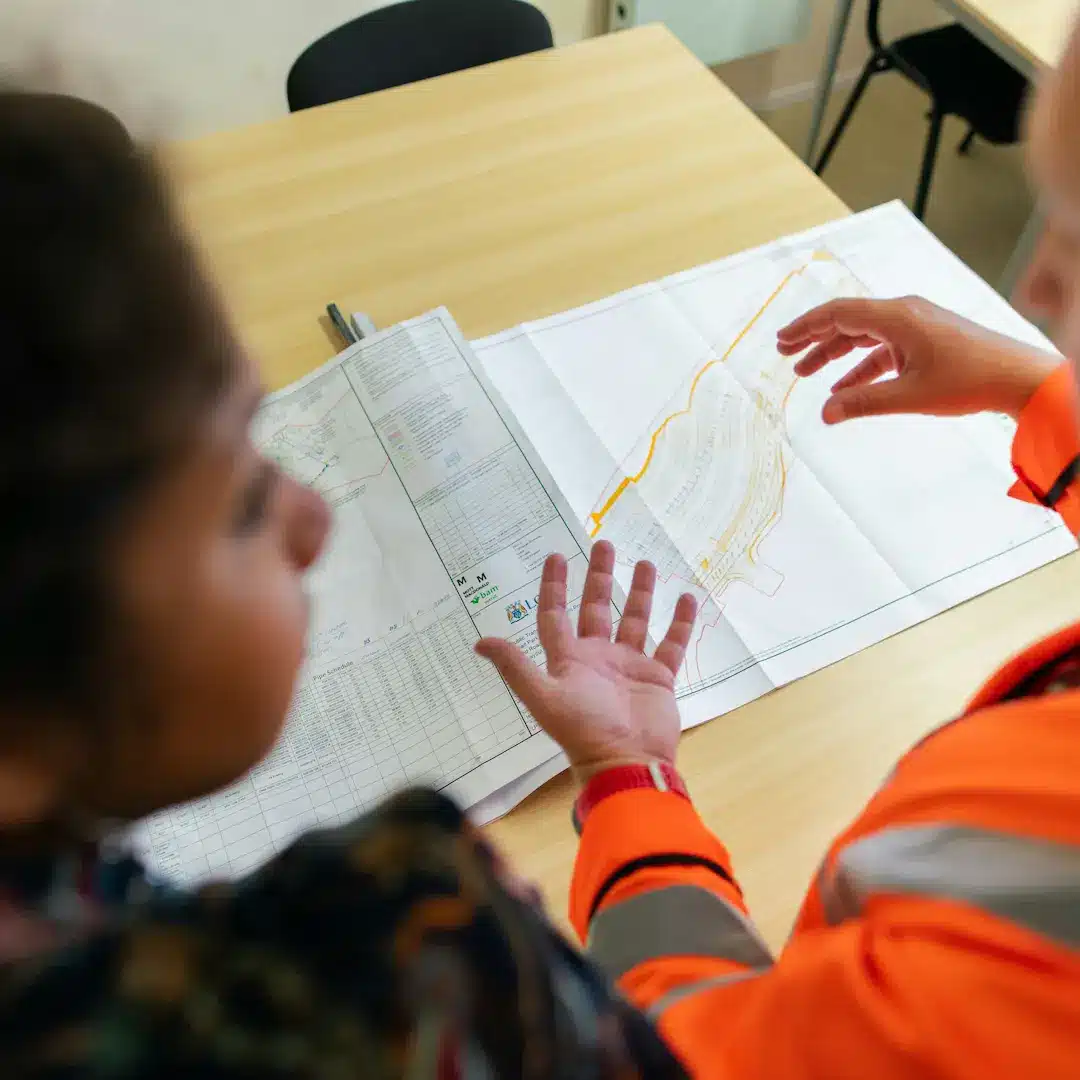
Download your free risk assessment template
Here are the 5 simple steps used in the UK:
Look at the job and ask:
“What could cause someone to fall or get hurt?”
Common hazards include:
Think about everyone who could be affected:
Even someone below the work area could be at risk from falling objects.
Ask:
Then decide if:
If your business has 5 or more employees, you must record:
This helps prove safety rules are being followed.
Risk assessments are not “one and done”.
You must review them if:

Before undertaking any work at height, a thorough assessment of the associated health and safety risks should be carried out. There is a simple order of safety rules:
Always ask the question, ‘Can the job be done without going up high?’
If the job can be completed from ground level with the use of extendable tools, it should be. Only work at height if there is no other option.
If there is no option but to work at height, risks should be eliminated with the use of fall prevention systems. You can prevent a workers fall by installing:
If someone falls, reduce injury by using.
Always guard against consequences.
All workers required to carry out work at height must be provided with suitable PPE, at no cost, to ensure the task can be performed safely. This includes:
Important: Safety equipment is the last option, not the first.
Here are some of the most common risks:
To reduce accidents:
Never start work without checking risks first.
Always inspect:
Use:
Use a buddy system when possible.
Only a trained competent person should work at height.
Shop Work At Height Training Courses.
Choose the safest method for the job.
|
Task |
Danger | Risk | Safety measure |
| Fixing roof tiles | Falling from the roof | Serious injury |
Scaffolding + guardrails |
|
Using ladder |
Slipping or falling | Broken bones |
Secure ladder + 3-point contact |
| Working near the edge | Falling objects | Injury to people below |
Barriers + tool lanyards |
Most accidents happen because:
Good planning can stop almost all of these problems.
To ensure safety when working at height, it’s essential to plan in advance. Always conduct the risk assessment prior to starting any work. Daily inspections of equipment, including ladders, scaffolding, and personal protective equipment (PPE), should be performed before every use. Make sure to secure the work area with barriers and signage to keep unauthorised individuals out. It’s also important that all workers have the skills to work at height to reduce risks. You should therefore provide adequate training to everyone who will be working at height so they are familiar with all safety procedures. Finally, remember to use the buddy system; never work at height by yourself.
Working at height poses significant dangers, but conducting a thorough risk assessment can help avert accidents and maintain adherence to UK safety standards. By taking precautions, you create a safer workplace for everyone involved.
A good risk assessment helps you:
If you always plan carefully and use the right safety steps, working at height can be done safely.
Need expert advice on height safety solutions? Contact our height safety experts today.
Do I need a risk assessment for ladders?
Yes. Even short ladders can be dangerous.
What law covers work at height in the UK?
The Work at Height Regulations 2005.
What is the safest way to work at height?
Avoid working at height if possible. If not, use guardrails, scaffolding, or other fall prevention systems.
 Leading Edge is a UK based height safety training provider and PPE manufacturer. From small teams to multinational blue-chips, we empower people to work safely at height across a wide range of industries.
